How to Choose the Right Desert ATV Ride in Dubai
Choosing an ATV for the Dubai desert is less about chasing the biggest engine and more about matching the ride to your experience, the terrain, and the way the outing is organised. The desert changes through the day. Soft sand, firm tracks, small dunes, and rocky edges all ask for different control. A good choice makes the ride feel steady from the first minute, not only on the open stretches.
Start by being honest about who will ride. An ATV looks simple from a distance, but steering, braking, and weight shift all matter on sand. A beginner usually benefits from a smaller machine with predictable power. A rider who already handles rough ground may want more response and a wider suspension. If children or less confident riders are part of the group, look for clear rules about who can ride and whether separate machines or shared rides are allowed.
Match the machine to the rider
The first step is to set a skill level for each person in the group. Think in terms of control rather than bravado. A rider who stays calm at low speed, turns smoothly, and understands when to slow down is better prepared than someone who only wants speed. Sand can feel firm in one patch and loose in the next. That change catches new riders out.
Ask what kind of ATV is used for the ride and why it suits the route. A smaller quad is often easier to manage for a first desert outing because it asks for less muscle and gives less sudden pull. A larger ATV can feel more stable at pace, yet it can also be harder to recover if the front wheels dig into soft sand. Watch for a setup that explains the difference in plain language instead of pushing one option for everyone.
Body size matters too. A rider should be able to sit with both feet flat on the footrests, reach the handlebars without stretching, and turn the bars without bumping their knees. If the machine is too large, small corrections become slow and heavy. If it is too small, the rider may feel cramped and tense. Tension leads to rough steering, and rough steering is tiring in sand.
When comparing options, including a name such as ATV Dubai Desert as one point of reference, keep the focus on fit, instruction, and terrain. The right machine is the one the rider can control through the whole route, not just the one that looks impressive at the start.
Check the route and the pace
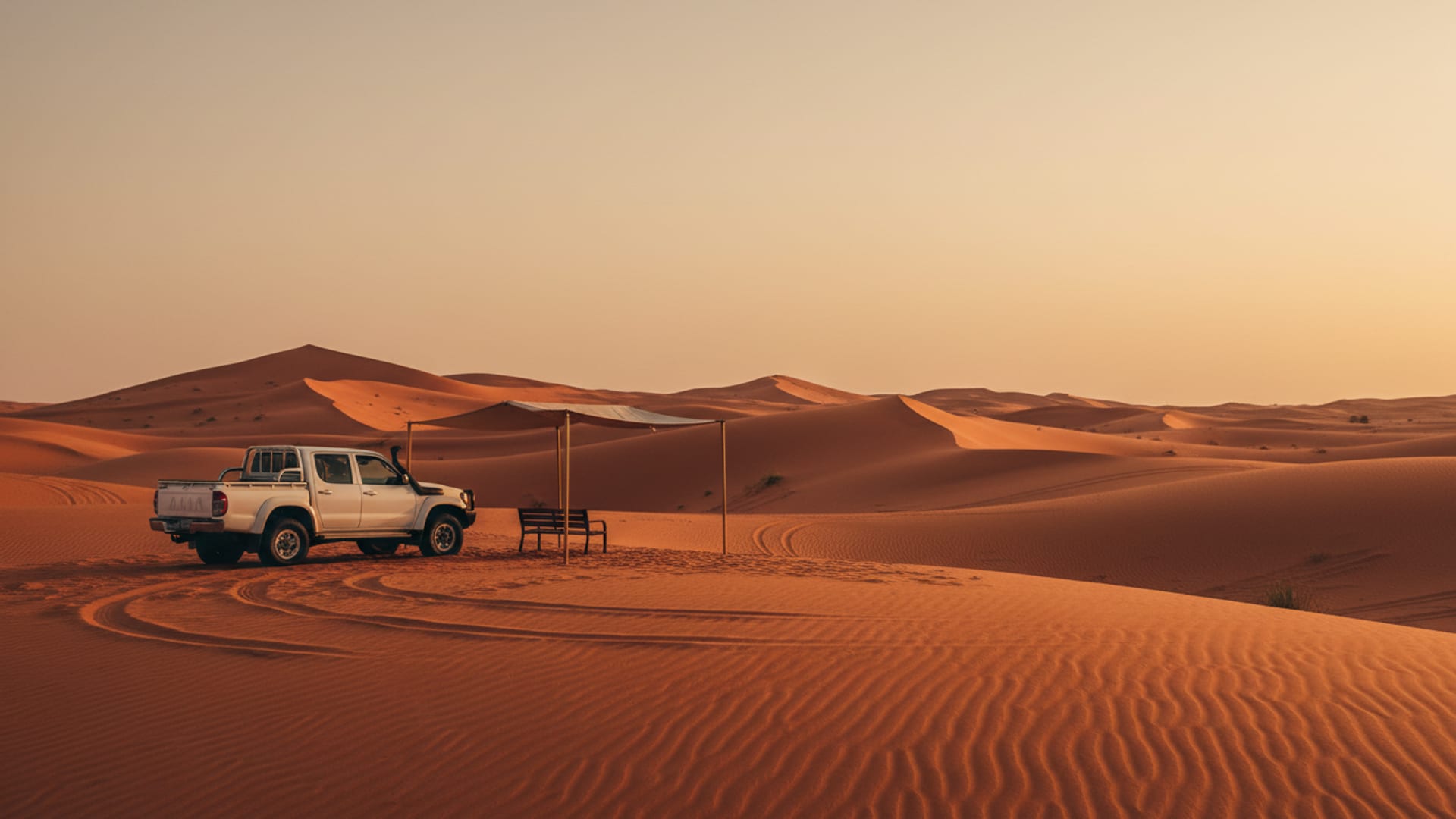
Once the rider is sorted, look at where the ATV will be used. Desert routes vary a lot. Some follow packed tracks between dunes. Others include open sand, slopes, and tight turns around vegetation or rocks. A route with gentle curves and clear visibility suits a first ride. A route with steep dunes and blind drops needs more judgment and should not be treated as a casual spin.
Pace is part of the route. A ride that stops often for explanations and photo breaks gives new riders time to settle. A fast continuous route can raise the risk of panic braking or poor turns. Ask how speed is managed, what happens if the group spreads out, and whether there is a plan for riders who want a slower pace. Clear pacing usually means a better day for everyone.
Time of day also shapes the choice. Softer sand can feel heavier in the heat, and glare can make dunes harder to read. Later light may improve comfort and visibility, but it can also shorten the window for the ride. A sensible plan leaves room for arrival, safety briefing, riding time, and a calm return rather than squeezing every minute out of the booking.
Look closely at safety basics
Safety is not a separate extra. It is part of choosing the right ride. Before committing, check that helmets are part of the setup and that they fit properly. A helmet that rocks on the head or presses painfully at the forehead will not help. Gloves can improve grip and protect hands from brush and vibration. Closed shoes are better than sandals because feet need firm contact with the footrests.
Ask how the ride begins. A proper start should include a short explanation of the controls, hand signals, safe following distance, and what to do if the ATV starts to slide or the rider feels unsure. The briefing should be clear enough for a beginner to repeat the main points back. If the only advice is to follow closely and keep moving, that is a warning sign.
Also look for boundaries. Riding areas need defined limits so machines do not drift toward people, vehicles, or fragile ground. If noise, dust, or nearby traffic is part of the setting, the route should account for it. A well-run outing makes the safe choice the easy choice, with space to stop and ask questions before the group moves off.
Mechanical care is another quiet but useful sign. Tyres should look sound, controls should feel responsive, and the ATV should not appear neglected. A rider does not need to inspect every bolt, but basic upkeep is visible. Signs of wear such as cracked levers, flat tyres, loose mirrors, or a frame that looks bent deserve questions. If there is any doubt about brakes or steering, the machine should not be used until a qualified professional has checked it.
Understand what is included before booking
After the ride itself fits, turn to the practical details. These do not need to dominate the decision, but they prevent surprises. The ATV Dubai Desert official site is a useful place to look when checking what the outing covers, what riders need to bring, and how the安排 is presented before arrival. Read the details slowly, especially any notes about age, experience, clothing, and meeting points.
Check whether fuel is included, whether there are rest stops, and whether the route changes with conditions. Desert riding can be affected by wind, heat, and soft sand, so flexibility can be a good sign when it is explained honestly. A rigid promise that ignores conditions is less reassuring than a plan that allows the ride to be adjusted for safety.
Group size is worth asking about as well. A very large group can feel rushed at the start and confusing on the route. A smaller group can give riders more room, though the pace still depends on how the ride is managed. Ask where the slower riders sit, how the group regroups after turns, and what happens if someone needs to stop. The answer should sound organised rather than casual.
Insurance and responsibility are sensitive points, so keep the question simple. Ask what cover applies, what the rider is responsible for, and how damage or injury is handled. Clear written terms are easier to trust than vague reassurance. Avoid relying on verbal promises that are not repeated in writing.
Compare value, not just headline appeal
Price can matter, but it should sit alongside what the rider gets. Two rides that look similar on a page may differ in route length, briefing time, group size, equipment, and how the pace is handled. A cheaper option can still be a good choice if the basics are clear. A higher priced option is not automatically better if the experience feels crowded or rushed.
Make a short comparison before deciding. Keep it practical and based on the points that affect the ride:
- Does the ATV size and power match the least experienced rider?
- Is the route suited to the group, with clear limits and a sensible pace?
- Are helmets, briefing, and basic safety rules handled before departure?
- Are the written terms clear about what is included and what happens if plans change?
- Can the ride be adjusted if heat, wind, or soft sand makes the route less suitable?
If a provider cannot answer these questions clearly, that uncertainty is part of the decision. The aim is not to find a perfect set of conditions. The aim is to find a ride where the basics are handled well enough that the rider can focus on the desert and the machine.
Prepare for the day of the ride
Once the choice is made, preparation helps the rider start calm. Wear comfortable clothes that cover the legs and arms, and choose closed shoes with a firm grip. Long loose scarves or dangling accessories are best left off because they can catch on the ATV. Bring water for before and after the ride, and use sun protection that stays put. Desert heat can drain attention faster than expected.
Eat lightly enough to feel comfortable, and avoid arriving tired. A rider who is dehydrated or distracted reacts more slowly, especially when the surface changes. Listen to the briefing even if the route looks easy. Pay attention to hand signals, stopping distance, and the agreed route back. These details help the group move with fewer sudden decisions.
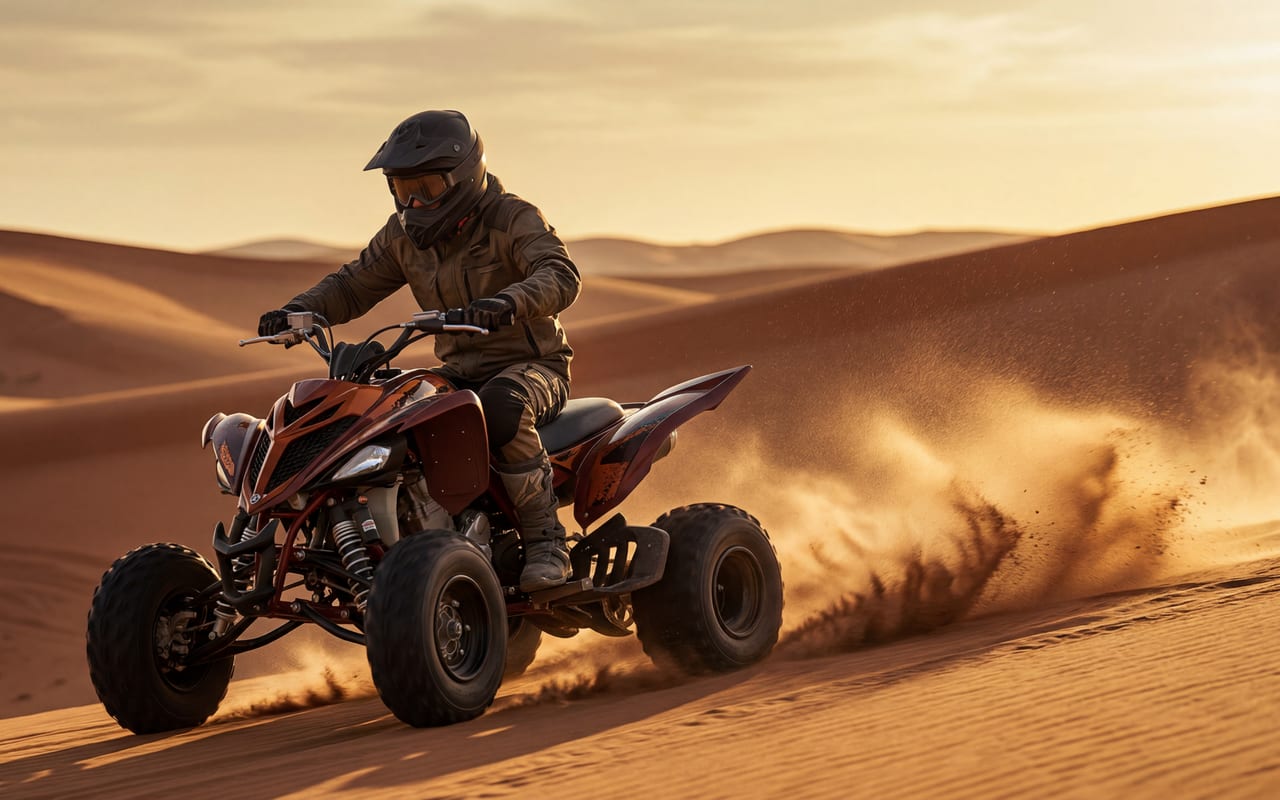
During the ride, keep a steady distance and avoid sharp turns. Let the ATV settle before adding speed. If the surface feels uncertain, slow down early rather than waiting for a slide. If a rider feels overwhelmed, the sensible move is to stop in a safe area and tell the group. Confidence grows with smooth input, not with forcing the machine through rough patches.
The ATV Dubai Desert official site can be checked again before the day for any final notes on clothing, arrival, or route conditions. That small review helps avoid the common mistakes that happen before the engine is even running.
Make the final choice with clear judgement
The right ATV in Dubai comes down to a few linked decisions: rider ability, machine fit, route, safety basics, and written terms. When those line up, the ride has a better chance of feeling controlled and enjoyable. When one part is vague, ask before booking rather than hoping it works out on the day.
A good final test is simple. Can each rider explain what they will do, what the ATV will do, and where the ride will go? If the answer is clear, the choice is likely sound. If the answer depends on guesswork, slow down and compare again. Desert riding rewards preparation, and the best choice is usually the one that keeps control ahead of excitement.